OTT Advertising Fraud
Let’s talk about the three words no one in OTT wants to say out loud: ad fraud exists.
Yes, even if your vendor uses DoubleVerify. Even if IAS gave you a shiny report. Even if your dashboard says “1 million impressions” in big, confident letters.
OTT ad fraud is everywhere. And the truth is, a lot of platforms don’t want you looking too closely at what’s really going on behind the scenes.
So we’re going to break down the biggest types of OTT ad fraud in plain English, and explain what you can do to avoid wasting your budget on fake views and misleading reports.
Understanding CTV Fraud in 2025
Before diving into the technical types of fraud, it helps to understand why OTT advertising fraud has become such a major problem. OTT and CTV advertising exploded in popularity because they promised precision targeting and measurable reach. Unfortunately, that also opened the floodgate for bad actors to exploit gaps in data verification and programmatic systems.
These fraudsters take advantage of how fragmented streaming inventory is, creating spoofed devices, fake apps, or even entire fake channels to siphon ad spend.
The result is billions of dollars in wasted impressions that never reach a real human viewer.
The best OTT advertising companies today are those who actively monitor for anomalies, partner with trusted inventory sources, and are transparent about how they validate impressions.
First, the Elephant in the Room
📊 Where does that number come from?
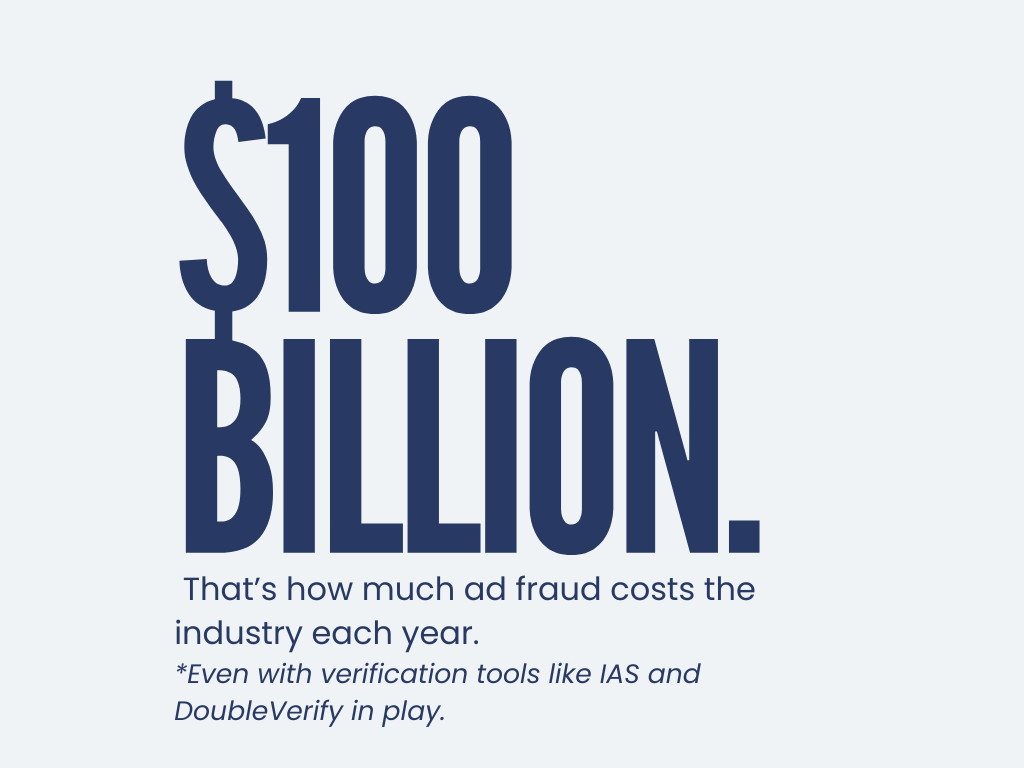
While estimates vary depending on methodology, Juniper Research reported that global digital ad fraud losses reached $68 billion in 2022, and are projected to exceed $100 billion annually in the coming years as fraud tactics become more sophisticated [source]. That means even with top-tier verification tools in place, the cracks in the system are still costing advertisers dearly.
Big verification companies like DoubleVerify and IAS are under scrutiny. Lawmakers and analysts are asking hard questions, and for good reason.
Despite these tools being in wide use, ad fraud is still a $100 billion problem. You read that right. Billion.
So if someone tells you their campaigns are bulletproof just because they use third-party verification, it’s worth asking more questions.
Why is OTT Fraud Harder to Detect?
OTT fraud detection tools often rely on signals that can be manipulated or masked. For example, a fraudster can spoof a high-end TV device ID or falsify viewability data, making a fake stream appear legitimate. Even when platforms use third-party verification, discrepancies in measurement standards can create blind spots.
adduro’s Hard Check is our way of defending against this fraud. Our always-on protection uses AI-assisted anomaly detection to flag suspicious traffic and daily-updated blocklists to catch new fraud sources fast. Fraud detection happens continuously within the platform, with threat models updated every day to stay ahead.
You don’t need third-party tools because Hard Check provides real transparency and accountability. When fraud is found, it is blocked, tracked, and addressed directly—firmly, clearly, and without compromise.
Type 1: Invalid Traffic (a.k.a. Fake App Names)
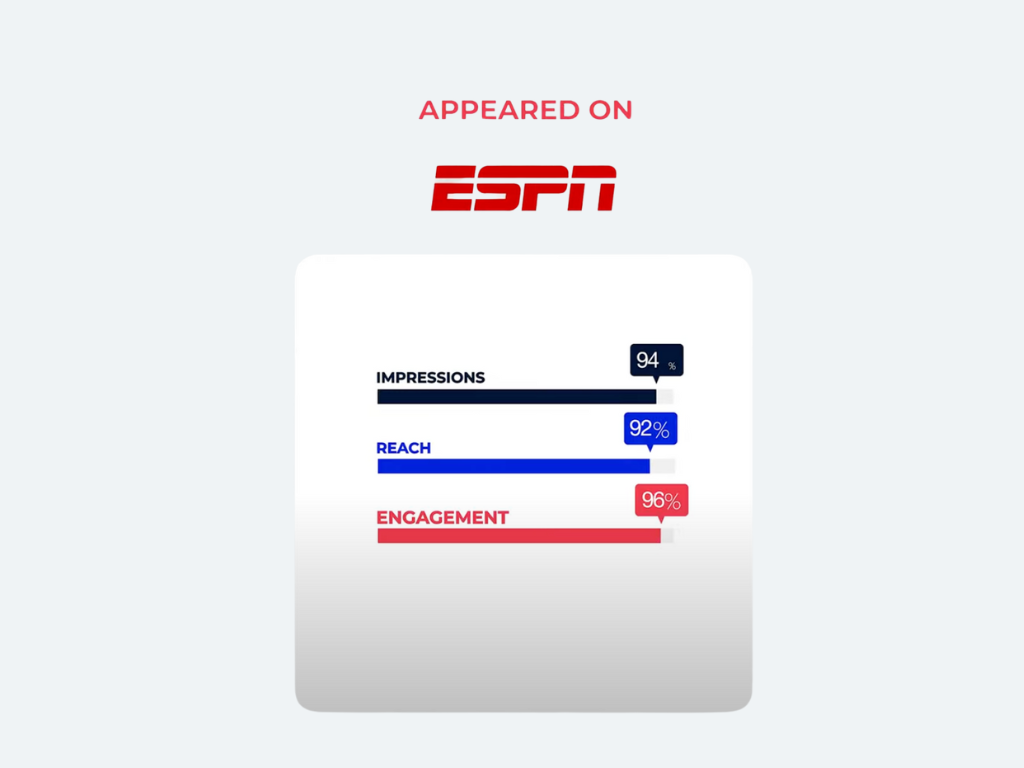
If your report says your ads ran on ESPN, you should be confident they ran on ESPN.
But sometimes, they didn’t.
Invalid traffic, or IVT, happens when apps mislabel themselves in the bid stream. A random horror movie app from nowhere can rename itself as Peacock, and suddenly buyers are snatching up inventory thinking they’re getting premium placements.
It’s the oldest trick in the OTT book. And it works because most buyers don’t look past the surface.
The Real Cost of OTT Advertising Fraud
Invalid traffic doesn’t just waste money—it also erodes trust in the streaming ecosystem. When marketers lose confidence in measurement, budgets shrink, and legitimate publishers suffer.
In recent years, OTT fraud has evolved from simple fake app names to large-scale networks of spoofed devices and channels designed to mimic trusted inventory. These fake networks can each generate thousands of fraudulent impressions per minute, leaving advertisers with inflated reports and no real engagement.
Strong inventory verification and transparent reporting are essential. Advertisers should demand access to log-level data that shows where their ads actually ran, not just summarized dashboards.
Type 2: Unrendered Ads
Ever seen “1 million impressions” in a report and thought, wow, great job team?
We hate to break it to you, but that number might not mean what you think it does.
Enter render rate. It tells you whether your ad actually loaded and appeared on screen. Not just whether it was served into a system. We rarely see this stat in OTT reports. Which is wild, because it’s one of the most important metrics there is.
Without render rate data, you could be paying for impressions that never even showed up.
Type 3: Device Spoofing
There are thousands of devices in the market. TVs, phones, tablets, laptops, all with different models, operating systems, and years.
Testing across every device would take an army of interns. But companies have figured out a shortcut.
Server farms can now simulate any device at scale. This is great for testing apps. But it also opens the door for device spoofing in ad fraud.
Fraudsters can make it look like your ad ran on a brand new Roku TV in Austin, when really, it was served to a simulated device in a warehouse somewhere.
If a CPM seems too good to be true, this might be why.
The Future of OTT Fraud Prevention
As OTT spending continues to grow, the need for unified fraud prevention frameworks will only increase. Industry groups are already working on standardized measurement protocols for connected TV.
Expect to see more collaboration between ad verification companies, streaming platforms, and data providers to build shared fraud databases. In the near future, advertisers will be able to validate impressions instantly using blockchain-backed verification and AI-driven transparency tools.
What You Can Actually Do About It
Ad fraud in OTT is more common than most people realize. That doesn’t mean you’re powerless.
Here’s what we recommend:
- Ask your OTT provider about render rate. If they don’t track it, ask why not.
- Look past the app name. Ask how inventory is verified.
- Be skeptical of suspiciously cheap CPMs. Price almost always tells a story.
- Vet your vendors. Don’t be afraid to ask difficult questions. Good partners won’t dodge them.
At Adduro, we’re going to keep calling this stuff out. Not because we like being the loudest voice in the room, but because this industry needs more transparency.
If we want OTT to work better for everyone, it starts with honesty.
Stay tuned, and keep streaming with clarity.